
☰
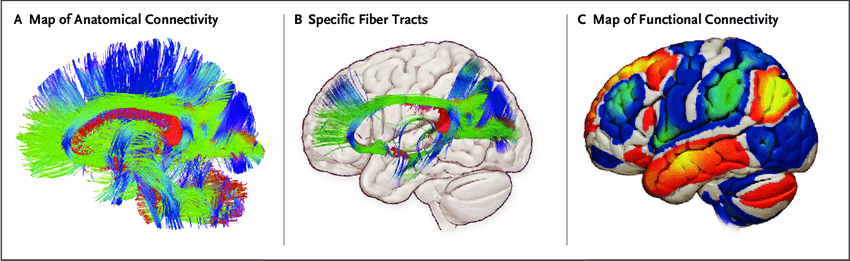
Functional Magnetic Resonance Imaging (fMRI) plays a significant role in diagnosing and treating mental health disorders. This non-invasive imaging technique allows researchers and clinicians to study the brain’s activity and connectivity, providing valuable insights into the underlying mechanisms of various mental health conditions. In this blog, we will delve into the role of fMRI in diagnosing and treating mental health disorders, its benefits, limitations, and future prospects.
Diagnosis:
fMRI enables researchers and clinicians to observe changes in blood flow and oxygenation levels in different areas of the brain, which are closely associated with neural activity. This information aids in identifying patterns of brain activation that are unique to certain mental health disorders. For instance, fMRI studies have revealed distinct brain activation patterns in individuals with depression, anxiety, schizophrenia, and bipolar disorder.
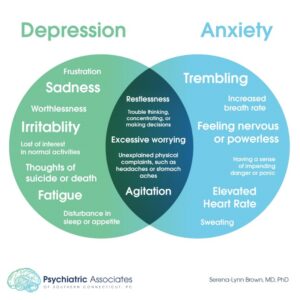
1. Depression and Anxiety: fMRI can help distinguish between healthy individuals and those with depression or anxiety by highlighting differences in brain regions associated with emotion regulation and processing. Abnormalities in the amygdala, prefrontal cortex, and anterior cingulate cortex have been linked to these disorders, providing potential biomarkers for diagnosis.
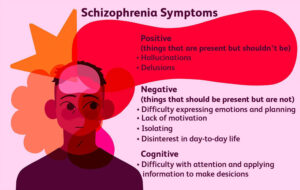
2. Schizophrenia: fMRI studies have shown altered connectivity between different brain regions in individuals with schizophrenia. These findings aid in understanding the cognitive deficits associated with the disorder and can contribute to early diagnosis and personalized treatment plans.

3. Bipolar disorder: Individuals with bipolar disorder often exhibit distinct patterns of brain activity during mood episodes. fMRI can help differentiate between manic and depressive states, guiding treatment decisions and tracking the effectiveness of interventions.
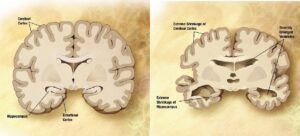
4. Alzheimer’s disease: fMRI can provide valuable insights into brain connectivity and functional networks affected by Alzheimer’s disease. Resting-state fMRI, for instance, allows researchers to analyze the intrinsic activity of the brain while an individual is at rest. Studies have shown that individuals with Alzheimer’s disease exhibit altered resting-state connectivity patterns, particularly in regions associated with memory and cognitive function.
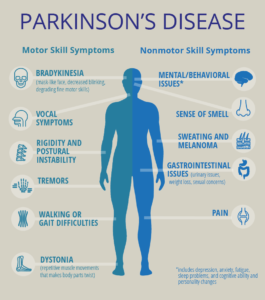
5. Parkinson’s disease: It can be challenging, especially in its early stages when symptoms might not be as pronounced. fMRI provides a non-invasive way to observe brain activity by measuring changes in blood flow, which is linked to neural activity. In the context of Parkinson’s disease, fMRI can help identify specific brain regions that are affected by the disease’s characteristic dopamine deficiency. The basal ganglia, a group of structures crucial for motor control, is particularly implicated in Parkinson’s. By analyzing fMRI data, researchers can detect abnormal neural activity patterns and connectivity in these regions, aiding in early diagnosis.
You may also like to read How MRI compatible products are changing the landscape of Healthcare
Treatment:
fMRI is not only valuable for diagnosis but also plays a role in guiding treatment strategies for mental health disorders.
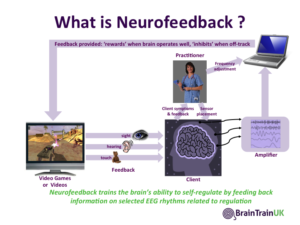
1. Neurofeedback: This therapeutic approach involves training individuals to regulate their brain activity based on real-time fMRI feedback. It has shown promise in treating conditions like attention-deficit/hyperactivity disorder (ADHD) and anxiety disorders by promoting self-regulation and enhancing cognitive control.
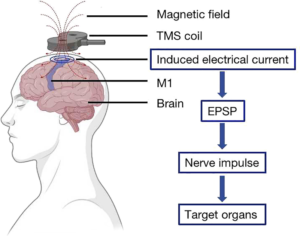
2. Targeted Interventions: fMRI-guided repetitive transcranial magnetic stimulation (rTMS) and transcranial direct current stimulation (tDCS) use magnetic fields or electrical currents to modulate specific brain regions. By targeting areas implicated in various disorders, these interventions can alleviate symptoms and enhance overall brain function.
3. Personalized Treatment Plans: Understanding an individual’s brain activity patterns through fMRI can help tailor treatment plans to their specific needs. This approach increases the likelihood of successful interventions and reduces the risk of adverse effects.
Benefits and Limitations:
Benefits:
– Objective Measurements: fMRI provides objective data on brain activity, reducing the reliance on self-reported symptoms for diagnosis and treatment assessment.
– Early Intervention: Detecting aberrant brain activity patterns early can lead to timely interventions, preventing the progression of disorders.
– Treatment Monitoring: fMRI allows clinicians to monitor changes in brain activity over the course of treatment, helping to refine therapeutic approaches.
Limitations:
– Cost and Accessibility: fMRI technology is expensive and not universally accessible, limiting its widespread use, particularly in resource-limited settings.
– Complexity of Interpretation: Interpreting fMRI data requires expertise, as results can be influenced by various factors such as noise, participant movement, and data analysis methods.
– Correlation vs. Causation: fMRI reveals correlations between brain activity and mental health conditions but does not establish causation.
Future Prospects:
Advancements in fMRI technology and analysis methods hold promise for improving its diagnostic and therapeutic applications in mental health.
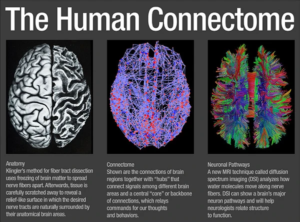
– Connectomics: Studying brain connectivity networks using fMRI can lead to a deeper understanding of the brain’s intricate workings and how disruptions contribute to mental health disorders.
– Machine Learning: Applying machine learning algorithms to fMRI data can enhance diagnostic accuracy and predict treatment outcomes by identifying subtle patterns that human observers might miss.
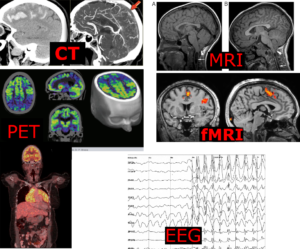
– Multimodal Approaches: Integrating fMRI with other imaging modalities, such as EEG and PET scans, can provide a more comprehensive view of brain function and aid in refining diagnoses.
In conclusion, fMRI plays a crucial role in diagnosing and treating mental health disorders by revealing insights into brain activity patterns and connectivity. While it has its limitations, its potential for personalized treatment approaches and ongoing advancements makes it a valuable tool in the field of mental health research and clinical practice. As technology continues to evolve, fMRI’s contributions to mental health care are likely to expand, improving our ability to understand, diagnose, and treat these complex conditions.
Functional Magnetic Resonance Imaging (fMRI) is a non-invasive technique that measures brain activity by detecting changes in blood flow and oxygenation. In mental health, fMRI helps researchers and clinicians study brain activity and connectivity, revealing patterns unique to disorders like depression, anxiety, schizophrenia, and bipolar disorder.
fMRI identifies distinct patterns of brain activation and connectivity that are linked to specific mental health conditions. For example, it can highlight abnormalities in the amygdala, prefrontal cortex, and anterior cingulate cortex in depression and anxiety, or altered connectivity in schizophrenia, aiding early and accurate diagnosis.
Yes, fMRI supports treatment strategies such as neurofeedback, where patients learn to regulate their brain activity, and targeted interventions like repetitive transcranial magnetic stimulation (rTMS) or transcranial direct current stimulation (tDCS). It also helps create personalized treatment plans based on individual brain activity patterns.
fMRI provides objective measurements of brain activity, enabling early intervention and more accurate diagnoses. It also allows clinicians to monitor treatment progress and adjust therapies based on real-time brain changes, improving outcomes.
fMRI is expensive and not universally accessible, which limits its use in resource-limited settings. Additionally, interpreting fMRI data requires advanced analytical methods, and there can be challenges with motion artifacts and data consistency.
Ongoing advancements in fMRI technology, machine learning, and multimodal imaging are expected to enhance diagnostic accuracy, personalize treatments, and deepen our understanding of mental health disorders, leading to more effective care.
©2024 Kryptonite SolutionsTM. All Rights Reserved.
Powered by: Purple Tuché

